SUBSCRIBE TO OUR NEWSLETTER:


SUBSCRIBE TO OUR NEWSLETTER:
Classic Le Mans Tickets
Le Mans Classic 2025 once again transported fans back through time, with glorious grids of vintage racers lighting up the Circuit de la Sarthe in a celebration of motorsport heritage. From 1920s icons to Group C legends, the atmosphere was electric all weekend, with stunning cars on track, a lively village, and classic culture everywhere you turned. Looking ahead, 2026 marks the beginning of an exciting new era, as the Classic is split between Heritage and Legends themes on a yearly alternating basis. Legends will focus on more recent icons – think GT1, LMP1, and modern classics – creating a fresh experience while still honouring the rich history of Le Mans. If 2025 was a tribute to the past, 2026 promises a celebration of the modern era’s most unforgettable machines. Don’t miss it.



Two Alternating Themes
The decision to change from a biennial event to yearly event in 2026 has stemmed from the demand for historic racing featuring the legends that graced the Le Mans tarmac between the 1980s to the 2010s. The new format has been designed to accommodate a wider range of cars and attract a broader audience.
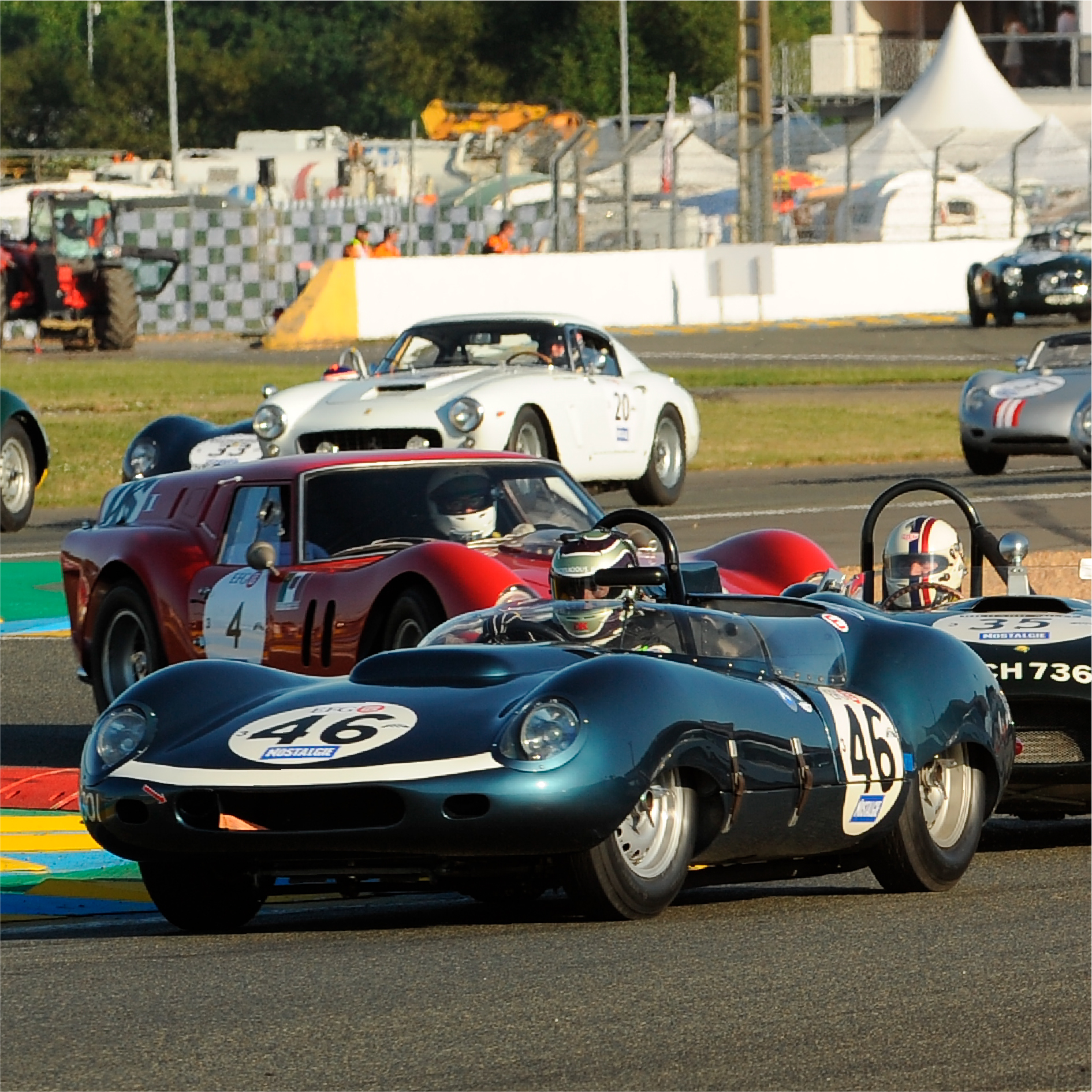


A familiar golden age of endurance racing, that past Le Mans Classic attendees will be used to, featuring cars from the earlier eras of Le Mans 24 Hours archives.
Running: 2027, 2029, 2031…
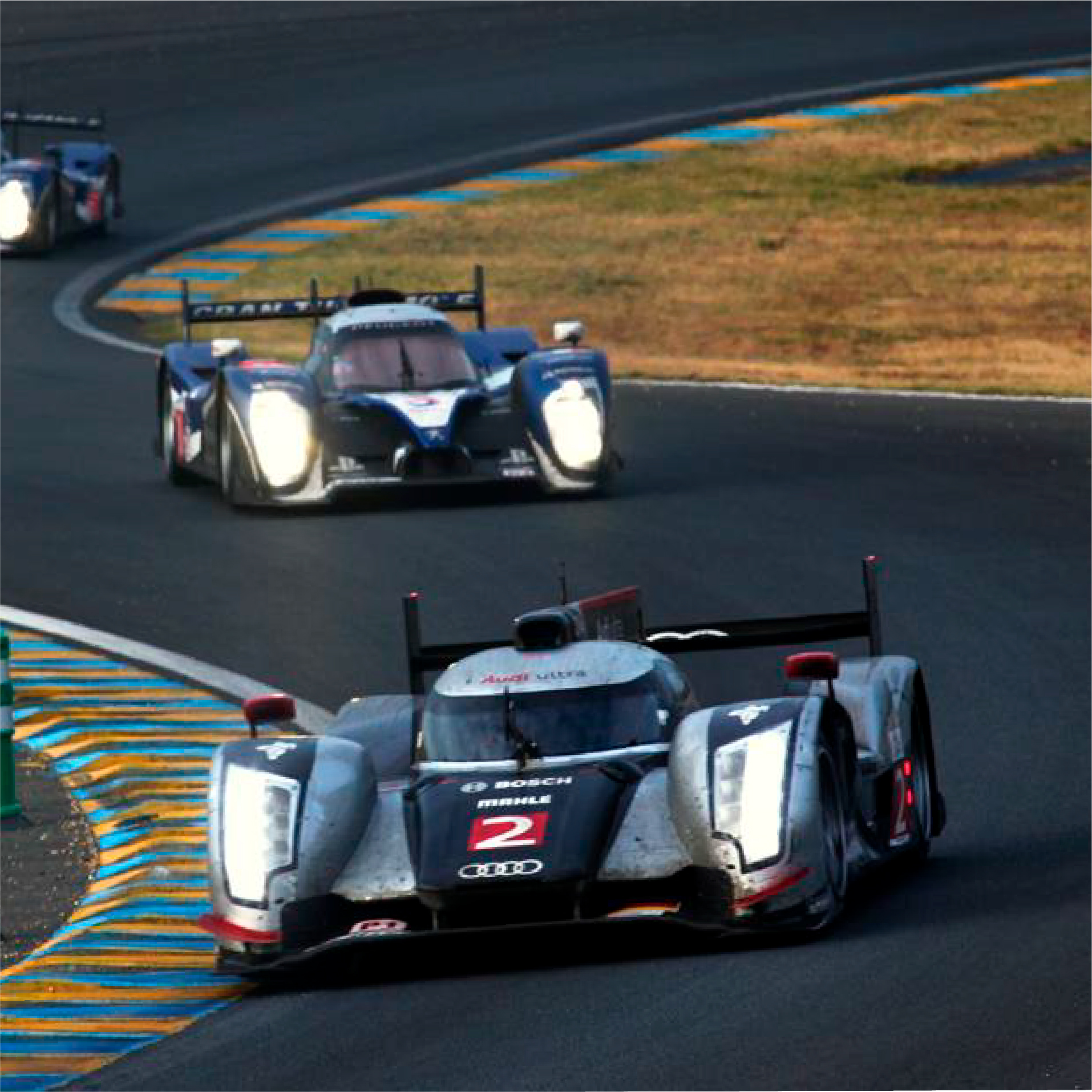
Focusing on the more contemporary historic cars, including those that raced from the late 70s to 2015, an era known for its technical innovations and icons.
Running: 2026, 2028, 2032…
Available Grandstands
Grandstands at Le Mans are concentrated around the start finish area of the lap, starting with Raccordement at the final chicane, running all the way down to Dunlop Curve. Further grandstands are situation to the outside of the famous Dunlop Chicane, running down the Esses, finishing at Tertre Rouge. Arguably some of the most popular seats are opposite the pits, the perfect vantage point to experience the build up to the Saturday afternoon start.

Ready to secure your tickets?
With no obligation to buy anything other than race tickets, we are able to concentrate on ensuring that you get the ticket of your choice. Lets get started, contact us today.
About the Circuit
The circuit on which the 24 Hours of Le Mans is run is the Circuit de la Sarthe, named after the department (equaivalent of UK county) that Le Mans resides in. It is made up of both permanent track and public roads temporarily closed for the race.
The original circuit was over 17km in length and was first used in 1906 in a triangular layout, starting in the Pontlieue suburbs, travelling to Mulsanne and then heading back. The first layout that remotely resembles todays was run in 1921 two years prior to the official first running of the 24 Hour event. The circuit has had many revisions since, with one of those being the introduction of the two chicanes along the Mulsanne Straight in 1990, splitting the 6km, 250mph section into three.
The current version of the track has been in use since 2018.

Follow us on social media
Why not follow us on Facebook, Instagram and Twitter to keep up to date with all of the latest ticket news and event results.